Skip to content

Michael, the owner of an exclusive agency operating one of the world’s most recognized coffeehouse brands in North America, faced a challenge that had been building for years. His company relied on non-China suppliers for branded packaging, and while those suppliers could meet basic functional needs, the overall sourcing experience was far from efficient. Lead times were unstable, packaging quality varied, and design execution across formats lacked consistency. For a brand built on premium customer experience and tight visual standards, these issues had become more than operational inconveniences. They were starting to affect how the brand was perceived.
Michael was not simply looking for another factory. He wanted a long-term partner in China that could help centralize packaging procurement, strengthen consistency across categories, and support the kind of premium brand presentation the coffee chain required. What followed was a 15-month process of supplier evaluation, factory visits, sample reviews, and negotiation. At several points, Michael nearly gave up on the search. But when he met the MaiBao team, the process began to shift from frustration to confidence.

From a Frustrating Search to a Long-Term Packaging Strategy
This project was led by Michael, who was not a routine buyer managing a single product line. He was the owner of an exclusive agency responsible for operating a globally recognized coffee brand in North America. That role gave him a different level of responsibility. He was not only thinking about price and delivery. He was thinking about long-term brand consistency, procurement efficiency, and the operational stability required to support a premium coffee business in a demanding market.
The packaging system in place before MaiBao was functional, but fragmented. Over time, Michael realized that continuing to source through separate non-China suppliers was making procurement harder to manage and limiting the brand’s ability to move with confidence. He began looking for a more strategic solution, one that could simplify management while protecting the brand’s identity. In that sense, the project was never just about buying packaging. It was about building a stronger and more scalable sourcing structure.
The Brand Needed One Partner Instead of Many Vendors
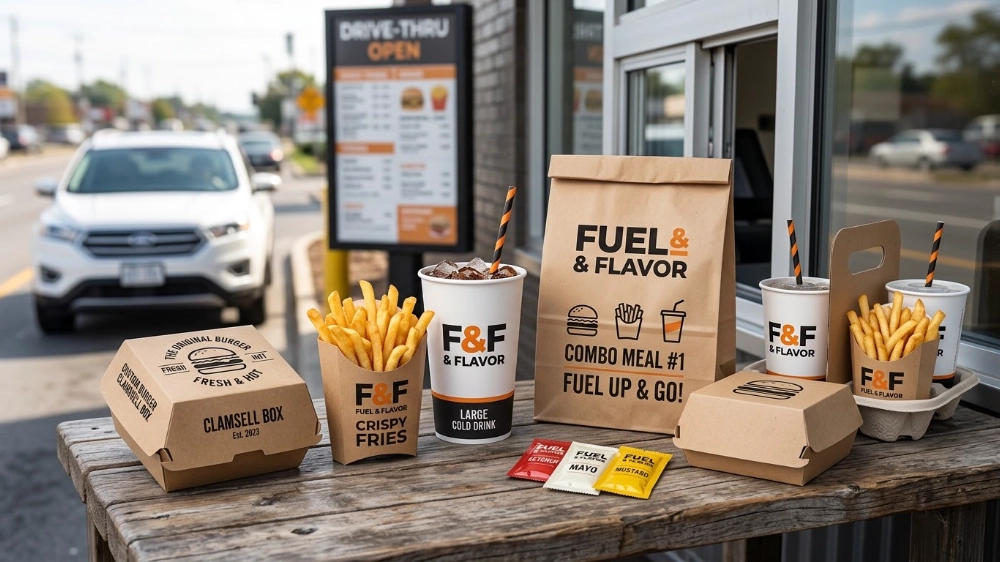
One of the client’s biggest frustrations was supplier fragmentation. Different packaging categories were handled by different vendors, including to-go bags, paper cups, plastic cups, and coffee packaging bags. Each supplier had its own communication process, pricing logic, sampling cycle, and production rhythm. As a result, the internal workload became unnecessarily heavy.
For Michael’s team, managing this setup meant more than handling purchase orders. It meant constantly coordinating timelines, checking design execution across formats, and dealing with quality variation from one supplier to another. That created hidden costs in time, management effort, and operational risk.
For a premium coffee brand, this kind of fragmentation is especially damaging because packaging is part of the customer experience. When each category is treated separately, it becomes much harder to maintain a cohesive brand feel. Michael needed more than cost improvement. He needed one partner that could unify the packaging system and reduce the burden on his team.
Lead Time, Quality, and Design Consistency Were All Breaking Down Together
The sourcing problem was not limited to one weak point. Several issues were happening at the same time, and together they were undermining confidence in the existing system.
Lead times were unreliable, which made launches and replenishment harder to plan. Quality was inconsistent, creating uncertainty around what the final product would look like or how it would perform. Design control was also weak across materials and formats, which meant the brand’s identity did not always translate cleanly from one packaging item to another.
For a coffee chain built around consistency and premium presentation, this was a serious issue. Customers do not separate cups, bags, and takeaway packaging into different supplier relationships. They experience everything as one brand. When packaging quality or design consistency slips, the customer sees it as a weakness in the brand itself. Michael understood this clearly, which is why the search for a new partner became such a high-stakes decision.

The Real Buying Journey Was About Rebuilding Confidence, Not Just Comparing Quotes
What makes this case especially telling is the length of the buying journey. Michael spent around 15 months exploring options, visiting factories, testing samples, and negotiating with potential suppliers. That kind of timeline shows that this was not a standard purchasing exercise. It was a careful process of trying to rebuild confidence in a packaging sourcing model that had repeatedly fallen short.
During that period, Michael nearly gave up. That detail matters because it reveals the emotional side of procurement decisions at this level. When a buyer has spent months dealing with inconsistent suppliers, delayed schedules, and disappointing results, the next supplier is not just being compared on price. They are being asked to restore trust.
MaiBao succeeded because it did not treat the process like a quick sales cycle. The team understood that Michael needed reassurance, evidence, and consistent follow-through before he could make a long-term commitment.
MaiBao Won by Turning Packaging Procurement into a Managed System
What ultimately set MaiBao apart was not a single product advantage. It was the ability to transform a fragmented sourcing process into a structured, one-stop packaging system. Instead of addressing one packaging category at a time, MaiBao offered an integrated model covering design consultation, prototyping, mass production, and global logistics.
This changed the conversation for Michael. Rather than managing multiple vendors with separate processes, he could now centralize procurement with one trusted partner. That created not only operational convenience, but also much stronger control over timelines, communication, and brand execution.
MaiBao’s approach also made the sourcing process feel more predictable. The client was no longer navigating disconnected packaging decisions across separate suppliers. Instead, he was working within a coordinated system designed to support scale, consistency, and better decision-making. In practical terms, MaiBao did not just sell packaging. It made procurement easier to manage.

Stronger Quality Control and Design Execution Elevated the Brand Itself
MaiBao’s value extended beyond efficiency. The company’s in-house design team played a key role in helping the client maintain a unified and premium brand identity across multiple materials and packaging formats. That was essential for a coffee brand whose visual presentation needed to feel cohesive at every customer touchpoint.
Fast and accurate prototyping gave Michael’s team confidence early in the process, because they could see that the final products would stay true to the original design intent. At the same time, MaiBao’s quality control standards helped reduce the variation that had caused problems in the past.
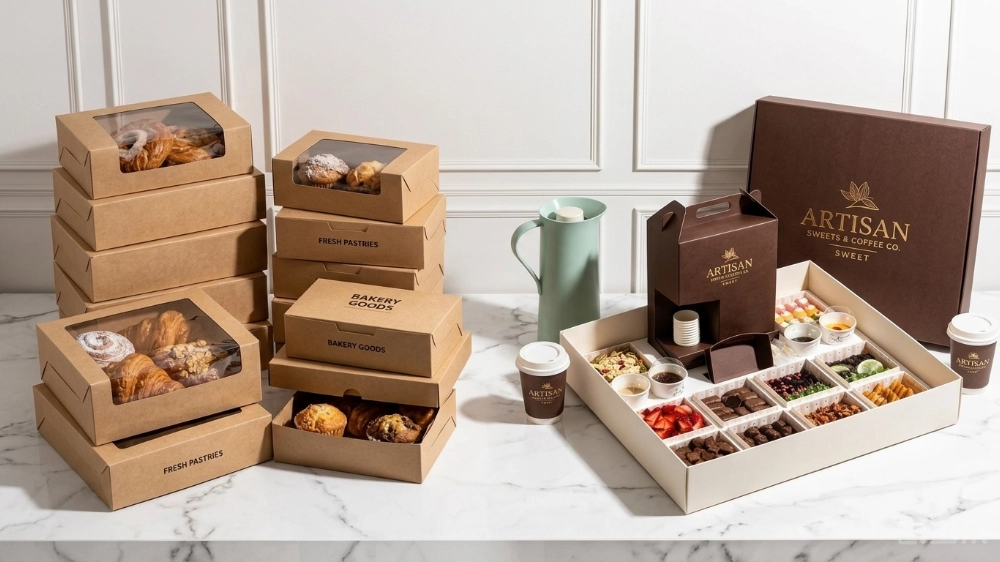
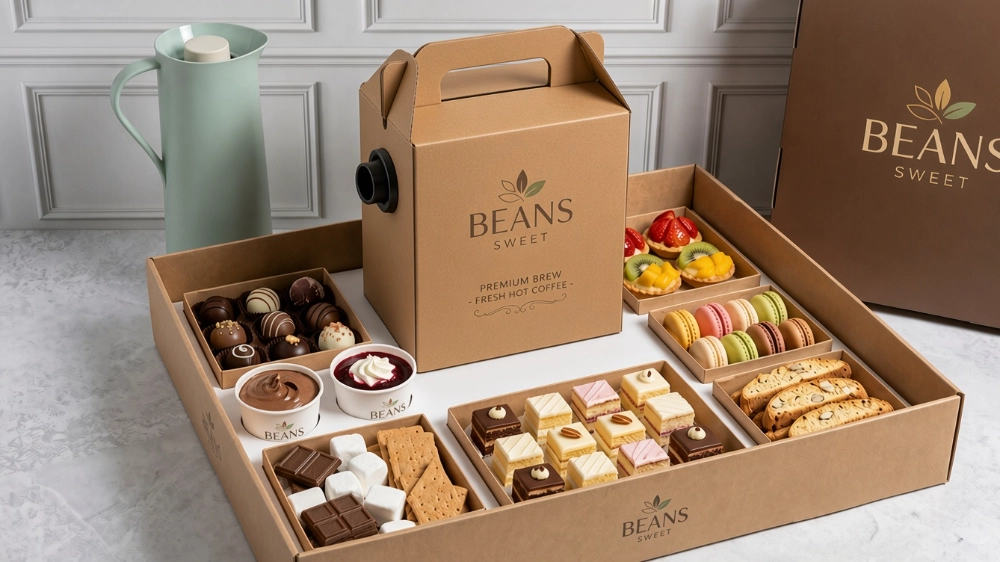
This combination of design discipline and manufacturing consistency had a direct brand impact. Bags, cups, and coffee packaging materials no longer felt like disconnected items coming from different sources. They started to work together as a coherent packaging system. That improved not just procurement performance, but the overall premium perception of the brand.
The Result Was Efficiency, Savings, and a Trusted China Partner
The results of the partnership were concrete. The procurement cycle was reduced from about 6 months to 3 to 4 months, giving the client more flexibility and reducing the time lost in supplier coordination. Packaging costs were cut by approximately 15%, bringing spending down to about 85% of previous levels. More than four packaging categories were consolidated into one more manageable sourcing system.
Just as important was the shift in relationship quality. Michael began to see MaiBao not as a supplier to monitor, but as a trusted partner to rely on. The original case notes that MaiBao became his first stop on every trip to China, which is a strong signal of long-term confidence. Michael and his assistant, Icy, also appreciated the professionalism of Jessie, MaiBao’s business representative, and CEO Tony, whose involvement helped turn prolonged discussions into a lasting working relationship.
In the end, the biggest success was not only faster lead times or lower costs. It was that Michael finally found a China partner capable of simplifying procurement while strengthening the brand at the same time.